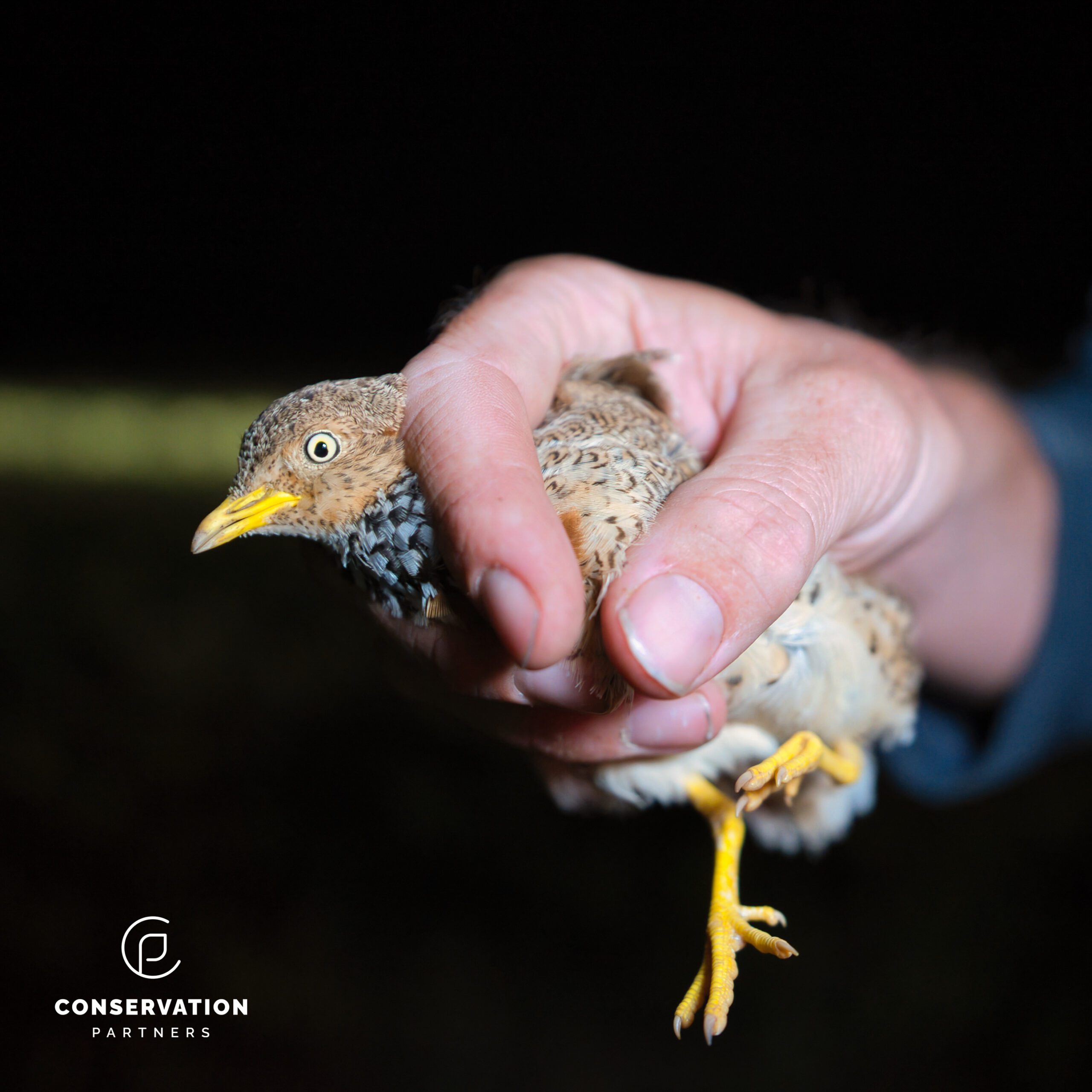
The Plains-wanderer (Pedionomus torquatus) is critically endangered. Photo: Braydon Moloney
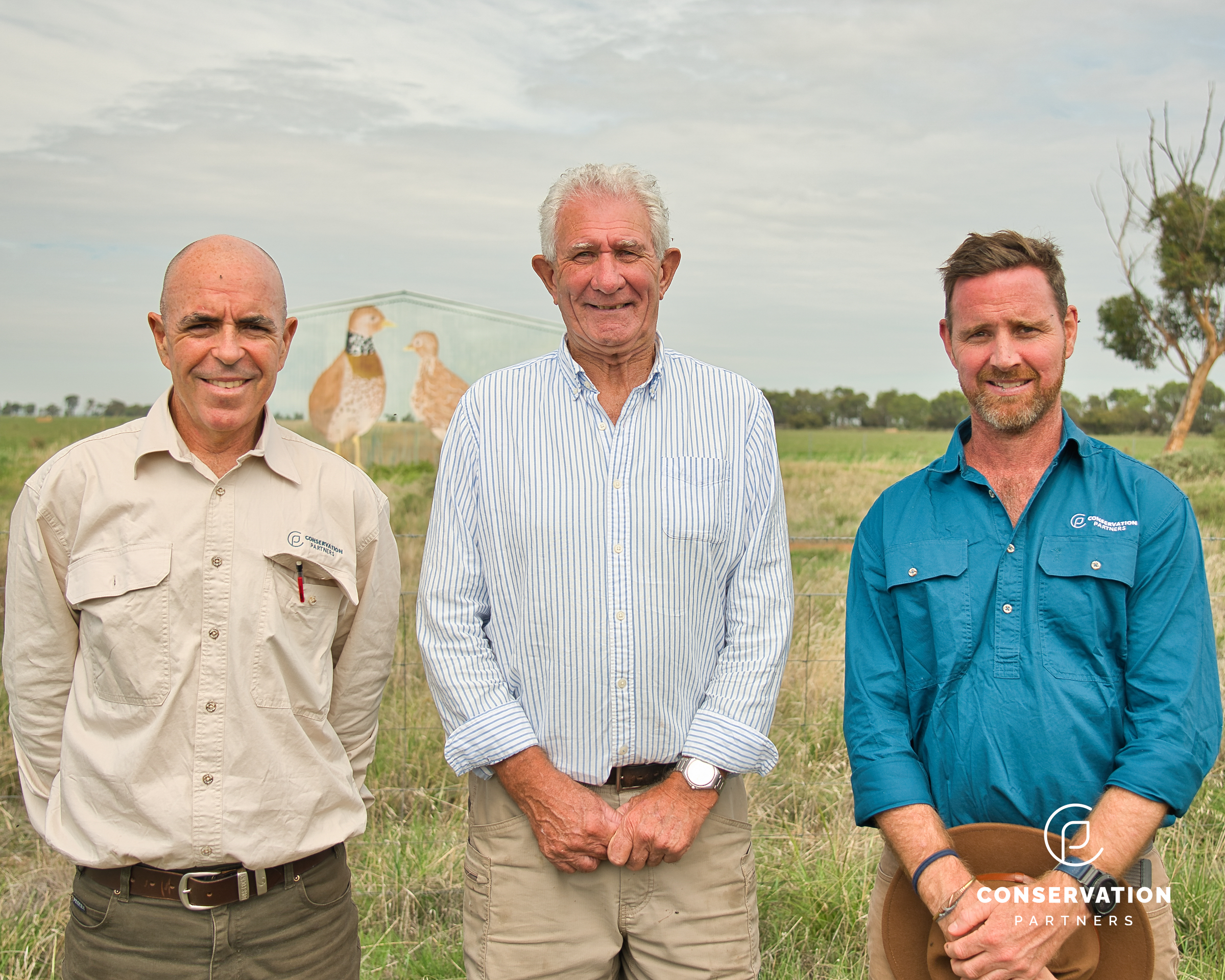
Conservation Partners management (Steve Murphy, left, and Rich Faulkner, right) meet with Victorian dairy farmer Andy McGillivray, on his property in the Patho Plains. Photo Credit - Braydon Moloney.
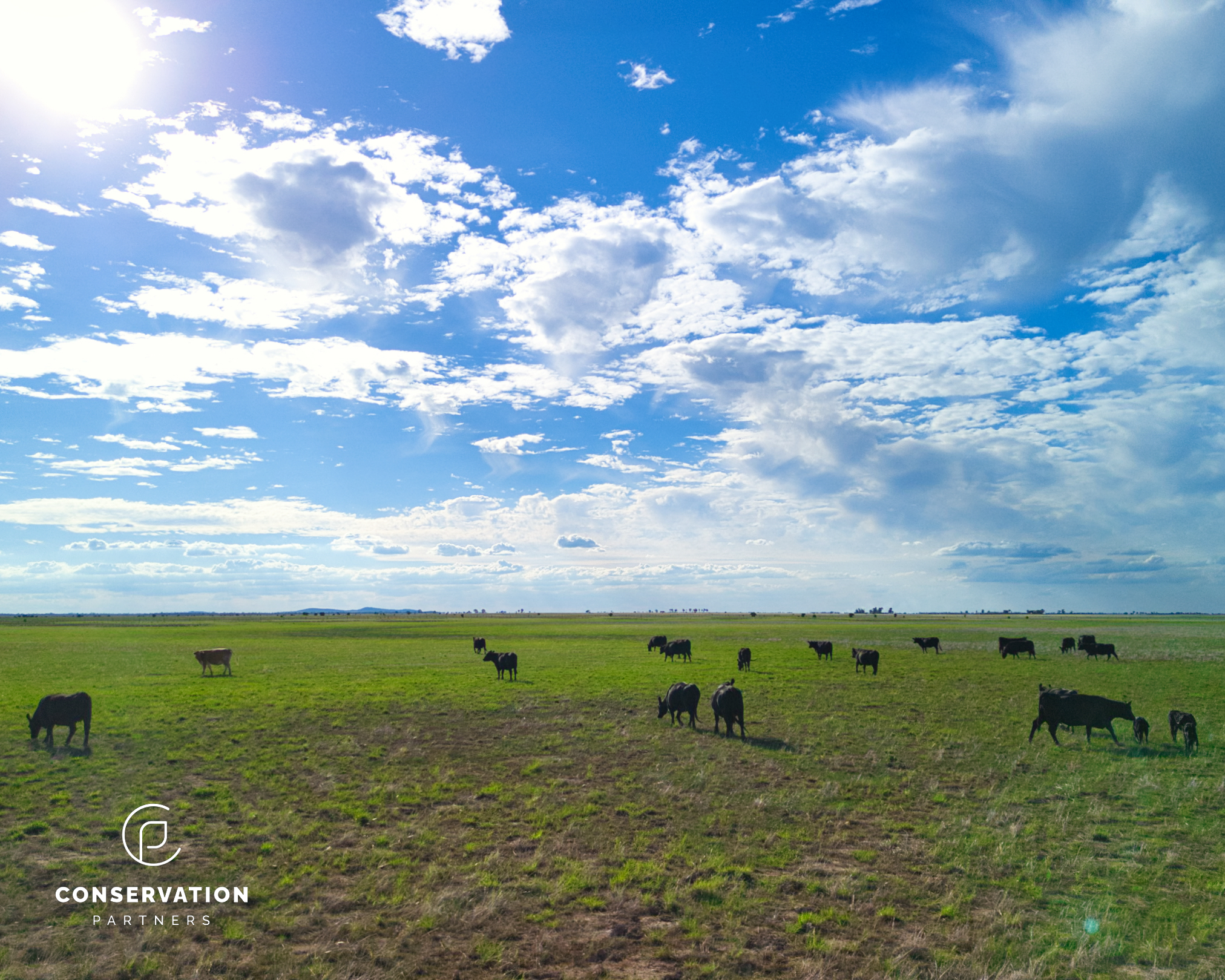
Beef grazing on the Patho Plains. Photo Credit - Braydon Moloney.
THE PLAINS-WANDERER
Hidden in plain sight, the Plains-wanderer is one of our most extraordinary and most endangered birds.
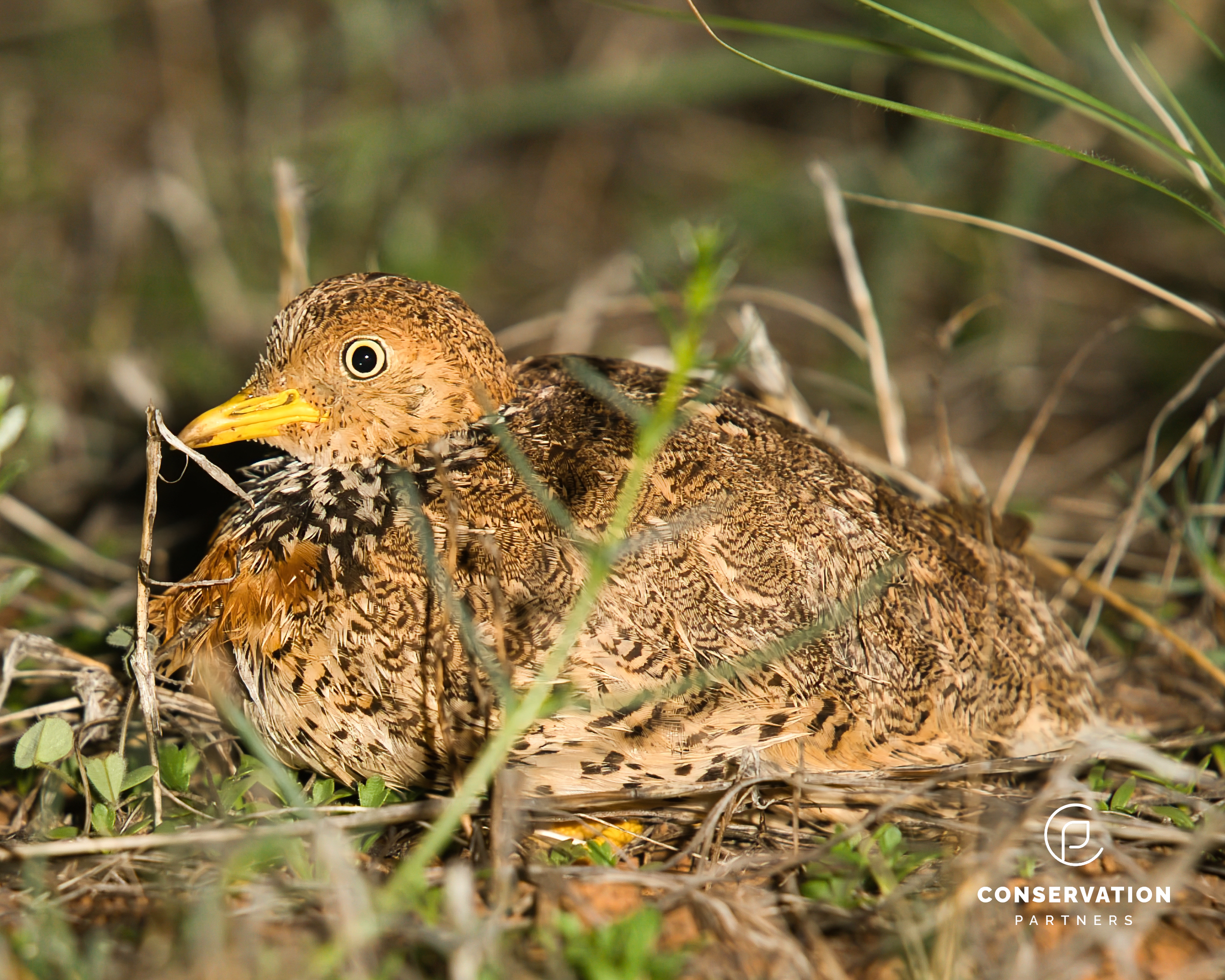
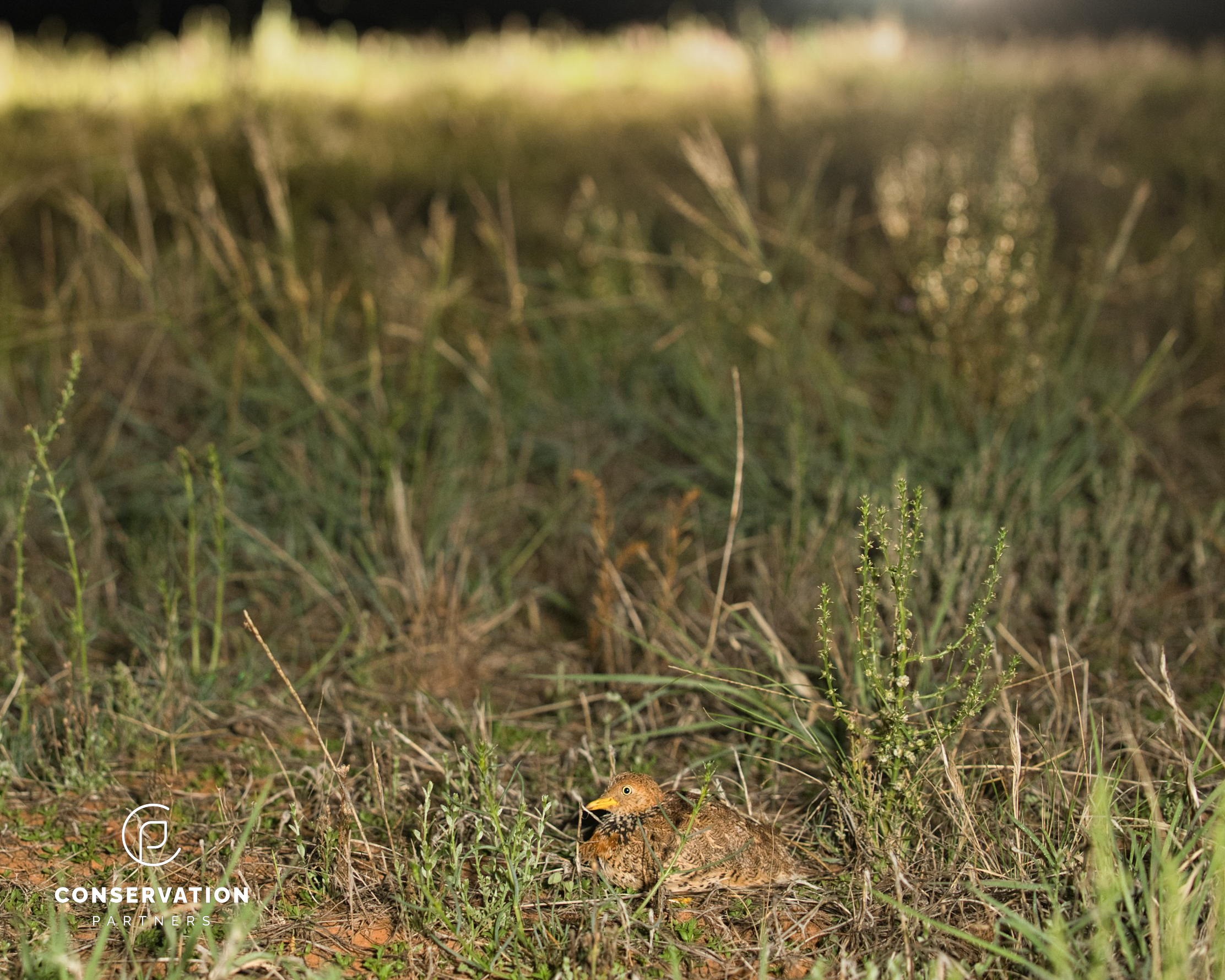
Perfectly camouflaged, it disappears into the native grasslands of the Patho Plains in northern Victoria. You could walk straight past one and never know it was there. By day, it remains almost impossible to find. But at night, under thermal imaging, this elusive bird reveals itself, pausing motionless, like a deer in headlights. Despite its quail-like appearance, the Plains-wanderer is something entirely different. It is more closely related to inland shorebirds, with its nearest relative found in South America. In fact, it stands alone - the only species in its entire family. With only several thousand individuals remaining, it is classified as Critically Endangered and ranked one of the world’s most EDGE (Evolutionarily Distinct and Globally Endangered) birds - a title that highlights just how irreplaceable it is.
A LANDSCAPE OF PARTNERSHIP
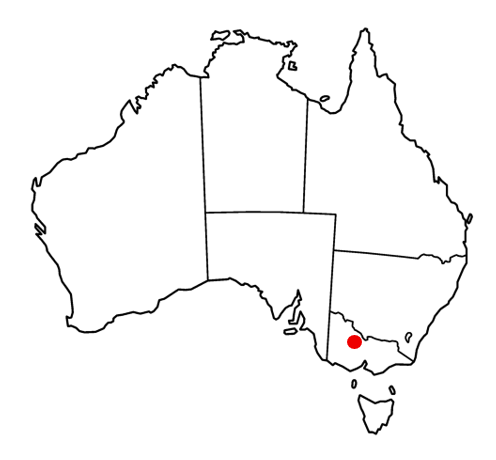
The Patho Plains, near Echuca, tell a remarkable story of resilience and balance. Once extensively cultivated for cropping, parts of this landscape has transitioned over time to exclusively cattle grazing. Almost miraculously, the native grasslands have regenerated, creating a mosaic of herbs, grasses, and saltbush that now supports both productive agriculture and threatened wildlife. These grasslands are not just surviving, they are thriving. And crucially, they are being actively managed by local farming families who understand that conservation and production can go hand in hand.
GRAZING FOR CONSERVATION
For the Plains-wanderer, habitat is everything and it must be just right. Not too dense. Not too sparse. This delicate balance is achieved through carefully managed cattle grazing. By rotating stock and resting paddocks before vegetation is grazed too low, landholders create the ideal structure for the bird to live, feed, and breed. On properties like those managed by the McGillivray family, this approach is delivering extraordinary results. During a recent survey, 29 Plains-wanderers were recorded in a single paddock in one night. This is a powerful reminder of what’s possible when land management is done well. What’s good for the bird is good for the herd. Healthy native pastures provide high-quality nutrition for cattle, while also supporting biodiversity.
SCIENCE GUIDING EVERY ACTION
Every Plains-wanderer matters. Through ongoing monitoring, researchers are building a deeper understanding of this fragile population. Techniques such as genetic analysis, using a single feather, help map relationships and strengthen conservation strategies. Night-time surveys using thermal imaging allow us to locate birds that would otherwise remain invisible, providing critical data to guide management decisions.
A FUTURE WORTH PROTECTING
The Patho Plains is proof that conservation and agriculture don’t have to compete and they can work together. Carefully managed grazing is not just sustaining a livelihood; it is helping to prevent the extinction of a species found nowhere else on Earth. But this work is ongoing. Protecting the Plains-wanderer requires continued support, collaboration, and investment in the people and landscapes that make its survival possible.
The Plains-wanderer on the Patho Plains. Photo Credit - Braydon Moloney.
The Plains-wanderer on the Patho Plains. Photo Credit - Braydon Moloney.

OUR PARTNERS